
Second international AICC Conference

Second International AICC Conference The Second International Conference on Action versus Inaction on Climate Change (AICC) was held at the European Parliament on 17 June 2024. Introduction Nathalie Picard from the University of Strasbourg opened the session by emphasising the crucial role of AICC in the fight against climate change. Achievements and Future Projects André de Palma from CY Cergy Paris University reiterated the objectives of the conference, which focused on the environmental, societal and economic impacts of climate change and North-South transfers. AICC proposes solutions such as externalities pricing, harmonisation of state actions, and regulation of new technologies. Round table A round table brought together French and German companies to discuss the conversion of combustion engine cars to electric vehicles. Climate Policy Instruments Edwin Zaccaï (ULB), Franck Lecocq (CIRED), Katheline Schubert (Sorbonne), François Bourguignon (PSE), Robin Lindsey (UBC), et Moshe Ben-Akiva (MIT) addressed various critical aspects of climate change, from environmental policies to the electrification of transport. André de Palma CY Cergy Paris Université 24 Juin 2024 Sommaire Videos Veulent en savoir plus? Regardez notre enregistrement de la conférence sur notre chaîne YouTube. Difficulty easy
Climate economics for dummies
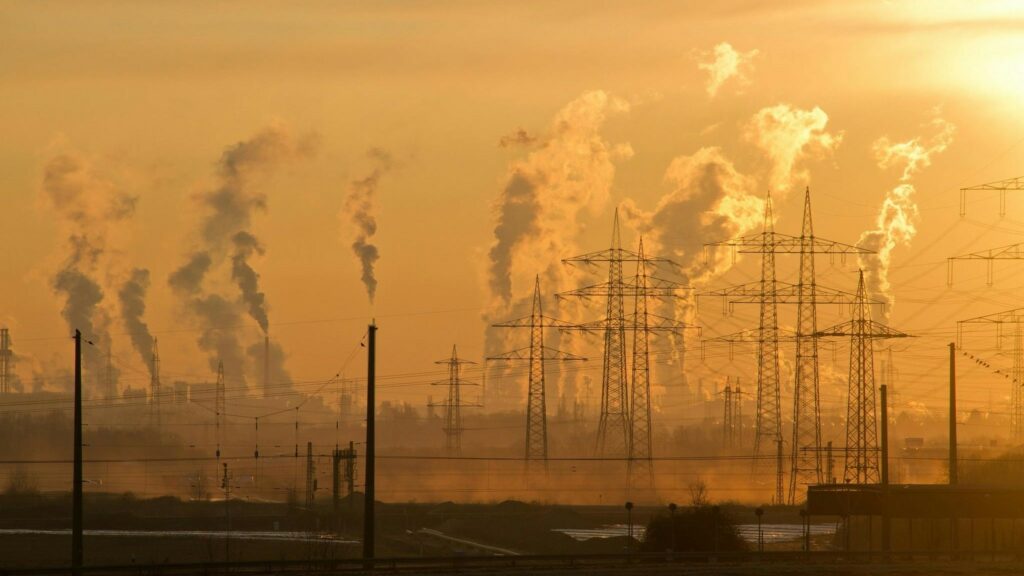
Climate change for dummies Climate economics is an emerging discipline that studies the interaction between human economic activities and climate change. The primary objectives are to understand the economic impacts of climate policies and to develop effective strategies to mitigate these impacts while promoting sustainable development. Basic Principles Greenhouse Gas (GHG) Emissions: Economic activities such as energy production, industry, transportation, and agriculture are the main sources of GHG emissions. These emissions contribute to global warming by increasing the concentration of these gases in the atmosphere. Economic Effects of Climate Policies: Climate policies aim to reduce GHG emissions through various means, including carbon taxes, subsidies for renewable energy, and strict regulations. These policies have significant economic implications, notably in terms of compliance costs for businesses and energy prices for consumers. Cost-Benefit Analysis A key approach in climate economics is cost-benefit analysis, which evaluates the economic costs of climate policies against the expected benefits of reducing GHG emissions. This analysis helps determine the most effective strategies to achieve climate goals while minimizing negative economic impacts. Climate Policy Instruments Carbon Taxes Carbon taxes aim to internalize the external costs of GHG emissions by increasing the cost of fossil fuels. This encourages businesses and consumers to reduce their consumption of these fuels and invest in cleaner alternatives. Cap-and-Trade Systems These systems set a cap on total GHG emissions and allow companies to trade emission permits. This market mechanism encourages emission reductions at the lowest cost. Subsidies for Renewable Energy Subsidies and tax incentives for renewable energy aim to encourage the development and adoption of clean technologies, thus reducing dependence on fossil fuels. Challenges and Opportunities Climate economics must overcome several challenges, including: Uncertainty of Climate Impacts: Projections of future climate impacts involve significant uncertainties, complicating economic policy planning. Equity and Climate Justice: Climate policies must consider economic and social disparities, ensuring that costs and benefits are distributed fairly. However, there are also opportunities: Technological Innovation: The transition to a low-carbon economy can spur innovation and create new industries and jobs. Co-Benefits: Climate policies can also improve air quality, public health, and energy security. Conclusion Climate economics is essential for developing effective strategies to mitigate climate change while supporting economic growth. By combining rigorous analyses with well-designed policies, it is possible to minimize negative economic impacts and maximize societal benefits. Stef Proost Département d’Économie et Institut pour la Mobilité KULeuven 3 Avril 2023 Sommaire Videos Want to learn more about the economics of climate change? Watch our videos and dive into the analysis of key challenges and innovative solutions. Difficulty easy You can also download our presentation on this topic. Download the PDF
Summary | AICC Conference 2023

Summury | AICC Conference 2023 The world is facing a crisis from climate change. Many policy proposals and promises have been made, but relatively little action has been taken. This conference of the AICC consortium addresses several aspects of this predicament by lining up international experts and top French economists and other academics. Since climate change is a global problem, the conference will start by taking a worldwide perspective. The ambitious views of the French climate competence center (CIRED) will be compared with the international view of the OECD. International agreements are crucial, but by their nature much weaker than national commitments. In the first session of the conference on “The World scene”, French academics will present second-best policy options that take into account political constraints. In the second session on “Global policies”, academic experts will discuss climate uncertainties, the role of carbon taxes and other policy instruments, and the best transition path towards zero emissions. The third session on “Urban climate policy” addresses how major conurbations such as Paris can play an important role. The question how a major Paris infrastructure project coped with the challenges of a low carbon future will be debated by top scientists involved in the Grand Paris Express project. In the fourth session on “Regional and international transport policy and trade”, international scholars will analyze the future of carbon-free cars and aviation. Many studies have shown the emergency of the climate change issue as well as the low-cost recipes to solve it but this did not give rise to an ambitious and sustained climate policy. Many members of the public and some politicians are either still unaware of the perils of climate change, or choose to ignore them. Experts in marketing, political science and social science are needed to explain why this is the case. The fifth session on “Decision theory and behavioral economics” will discuss the role of risk and ambiguity in forming attitudes; in particular with respect to catastrophic events. In the Closing session a French academic will review the takeaways from the symposium and the questions and issues that remain. André de Palma (CYU, F), Robin Lindsey (UBC, CAN), Nathalie Picard (Unistra, F), Stef Proost (KUL, BE) and Nicolas Coulombel (École des Ponts, F) April 3, 2023